
While 2025 has been a tough year for obvious reasons. I went to many places to touch grass. During the summer, I went to the beach quite a few times and even took a bunch of pictures. I eventually had the thought, after coming back from my parents’ house after New Year’s, that maybe I should buy one of those printers to print my pictures.
After a bunch of research on Fujifilm Instax printers, those Zink printers, and more, I eventually settled on a Canon Selphy CP1500, which prints out 4×6 photos. The paper usually costs $ 32.50-34.50, which comes to around 33 cents a picture, which is not too bad. The benefit of the Selphy over an inkjet printer is that the ink never dries when I’m not using it, since it uses dye sublimation, or rolls of dye used to print a photo.
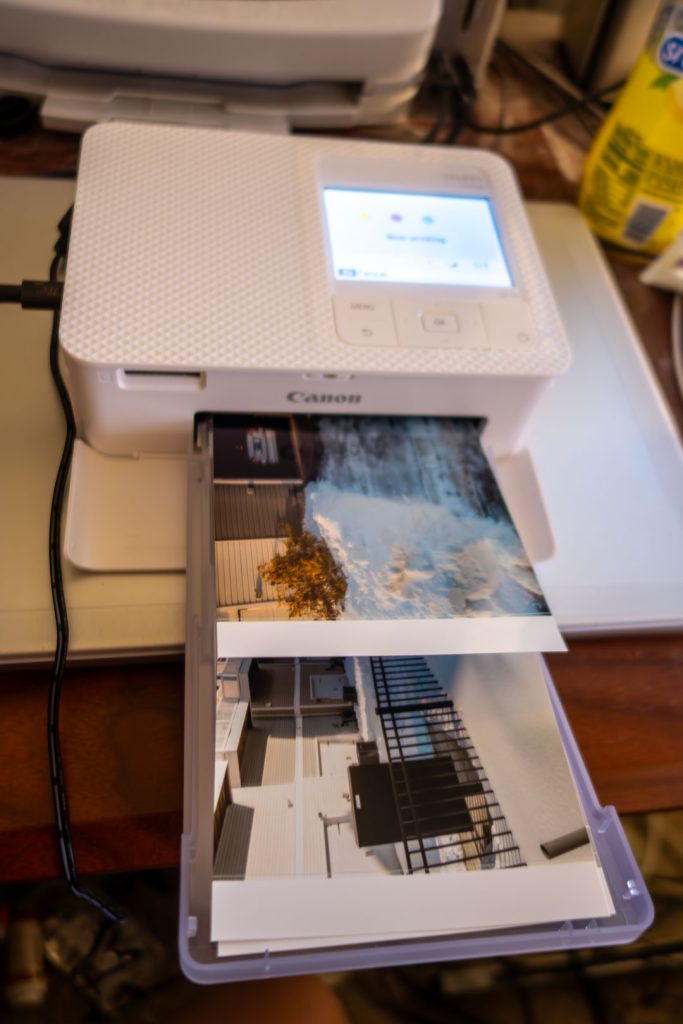
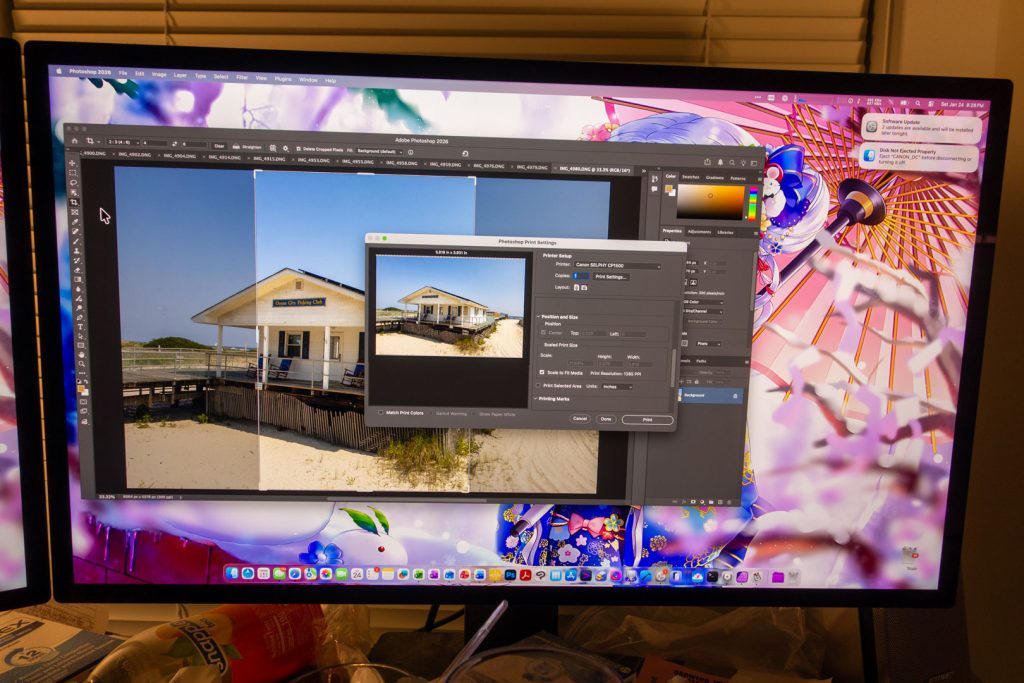
While I eventually discovered that more professional dye-sublimation printers have even cheaper supplies because the photo paper comes on rolls, the upfront cost is quite a bit higher. I guess if I print a lot of photos, it might be worth it. For now, the Canon Selphy fits my needs for occasional photo printing. Also, I get to print photos from Photoshop after making adjustments in the comfort of my home, without waiting for them to be delivered or driving somewhere to get them printed.
In short, I ended up printing about 170 photos from 2024-2025 and putting them in a photo album. I admit that the photos from my Sony Cybershot RX100 II, which I got used in 2017, look better than my iPhone 16 Pro’s, which I also shoot in RAW, feel overprocessed.
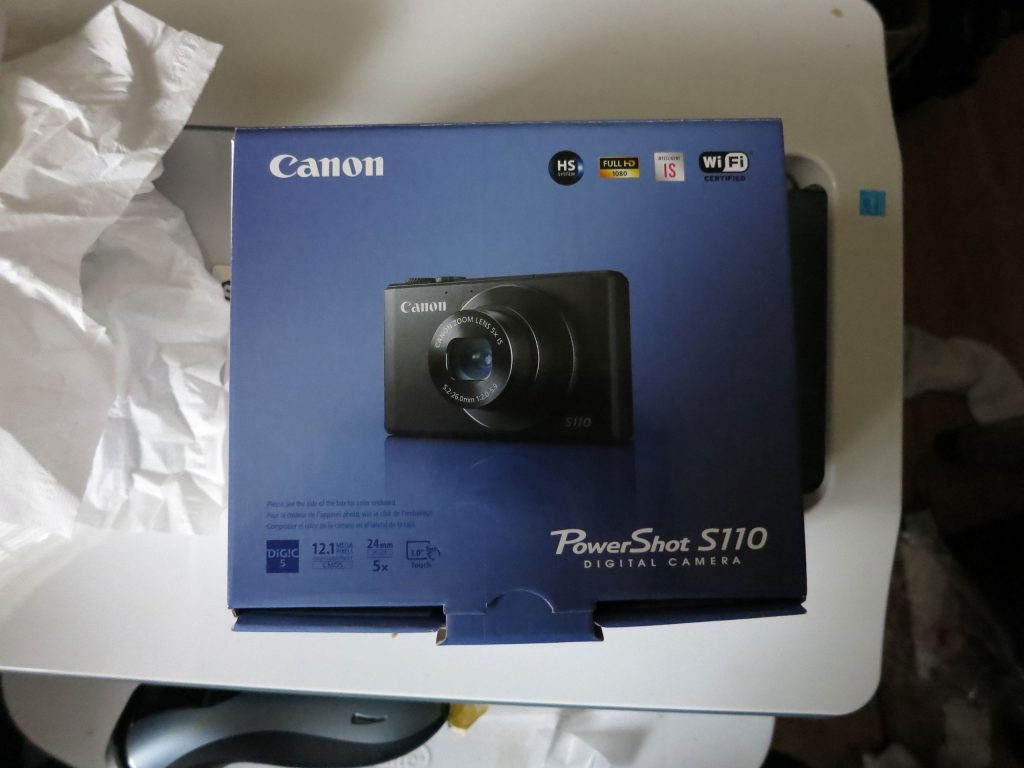
I used to have a Canon PowerShot S110, which I got as a present after finishing my bachelor’s degree before starting my master’s. It took decent pictures and could take RAW photos, but it died from the dreaded Lens error during my summer vacation in 2016. I had a hard time taking it apart, so I ended up parting it out and selling it rather than fixing it. As a replacement, I went with the RX100 II since it was a good price at $340 at the time, though it looks well-used. Also, the RX100 line of high-end compact cameras from Sony is well regarded as one of the best in terms of size and capability. Believe it or not, it still works, and I still use it.
Sure, you can get a 48-megapixel picture, but after going through and making adjustments in Photoshop, I felt the photos felt a bit overprocessed. After all, modern smartphone cameras often use machine learning to add detail and color, compensating for their smaller sensors. Compared to my RX100 II, which only captures 20 MP photos, it has a larger 1-inch sensor that captures more detail.
With the whole backlash on A and I in general, one can see why the younger generation (Generation Z) is deciding to pick up old digital cameras that their parents and Generation Y/Millennials used. However, I don’t get why they decided to buy digital cameras like the ones I used in the 2000s, unless you go for the DLSRs, which are much bulkier but allow for different lenses. They just aren’t as good compared to the ones now, where you can get over 12 megapixels. Also, I prefer shooting in RAW because it produces higher-quality images, and you can adjust various parameters to make an image look better or fix mistakes.
That said, my goal is to take more photos on a dedicated camera and fewer on my iPhone 16 Pro. Sure, the 16 Pro takes better pictures than an average digital camera from the 2000s, but it can’t really match the higher-end point-and-shoots, mirrorless, and DSLR cameras. They are only for sharing something quick and not caring if it’s overprocessed. But if you want to take a really good photo that doesn’t feel artificial, the only way to do that is with a camera.
That said, with tech being expensive in the next few years, thanks to a group of companies hogging up the supply of RAM, SSDs, and more, maybe it’s time to pick up some hobbies that are not heavily tech-related. That is why I had all the tech I wanted before prices skyrocketed. With that, I do want to improve my photography skills and take more pictures. While I do plan to keep using the Sony RX100 II, I also bought a Leica D-Lux 7, which has a bigger sensor than the RX100 II, but no built-in flash and slightly less zoom. With that, I will totally be ready when the Sakura flowers bloom in DC at the Tidal Basin.

Leave a Reply